


Money is changing fast. And with the rise of Artificial Intelligence (AI), the way we move, manage, and monitor money is going through a major transformation. No, it’s not science fiction—it’s happening right now, every time you send money abroad or shop online.
TLDR:
- AI is reshaping how money services businesses operate, making them faster and smarter.
- It helps detect fraud and automate compliance tasks like anti-money laundering (AML).
- AI also scores your transactions for risk, helping companies prevent crime before it happens.
- This means safer, quicker financial services for everyone.
What Are Money Services Businesses (MSBs)?
You’ve probably used an MSB without realizing it. These are companies that help move money from place to place. Think:
- Money transfer services (like Western Union)
- Check cashers
- Foreign currency exchangers
- Digital wallets and cryptocurrency exchanges
MSBs move billions of dollars every year. That’s a huge responsibility. And with big money comes big risk—especially from hackers and fraudsters.
The Problem: Old Systems, New Crimes
A lot of MSBs still use outdated tools to spot fraud or flag suspicious activity. These systems require humans to dig through massive piles of data. It’s slow, expensive, and prone to mistakes.
Worse, crafty criminals keep finding new ways to break the rules. From money laundering to identity theft, financial crime is a moving target.
The Solution: Enter AI
This is where AI comes in like a superhero in a suit. AI can make decisions at lightning speed. It doesn’t get tired. It learns patterns, updates itself, and never forgets anything.
For MSBs, AI opens up exciting possibilities:
- Faster fraud detection
- Real-time risk scoring
- Smarter customer checks (KYC)
- Automated compliance reporting
Let’s dive into a few of those superpowers.
1. AML Automation: Saying Goodbye to Spreadsheets
AML stands for Anti-Money Laundering. It’s a set of rules that MSBs must follow to prevent dirty money from entering the system.
Before AI, this process was a nightmare. Analysts had to review thousands of transactions, manually spot red flags, and write reports. Not fun.
Now, AI can analyze millions of transactions in seconds. It looks for strange patterns and flags anything fishy. It learns from past data and gets better over time. That means faster compliance AND fewer false alarms.

Example: A customer sends $9,995 every week to a foreign account. This avoids the $10K threshold that usually triggers a report. A human might miss the pattern. But AI sees it—and pings the compliance team instantly.
2. Know Your Customer (KYC) Gets Smart
MSBs are required to check who their customers really are. This stops people from hiding behind fake IDs or shell companies.
AI makes this process smoother and smarter by:
- Scanning documents for authenticity
- Matching ID photos to selfies
- Cross-checking info with global databases
In the past, opening an account could take days. With AI-powered KYC tools, it can take just a few minutes. The machines do the legwork, and people review only the tricky cases.
3. Transaction Risk Scoring: Danger Radar
Not all transactions are dangerous. But how do you know which ones need a closer look?
AI helps by giving each transaction a risk score. This score is based on things like:
- Transaction amount
- Location
- Time of day
- Customer behavior history
If something seems suspicious—say a huge transaction from a flagged country at 3 a.m.—AI raises a red flag. High-risk transactions get reviewed. Low-risk ones get processed smoothly.
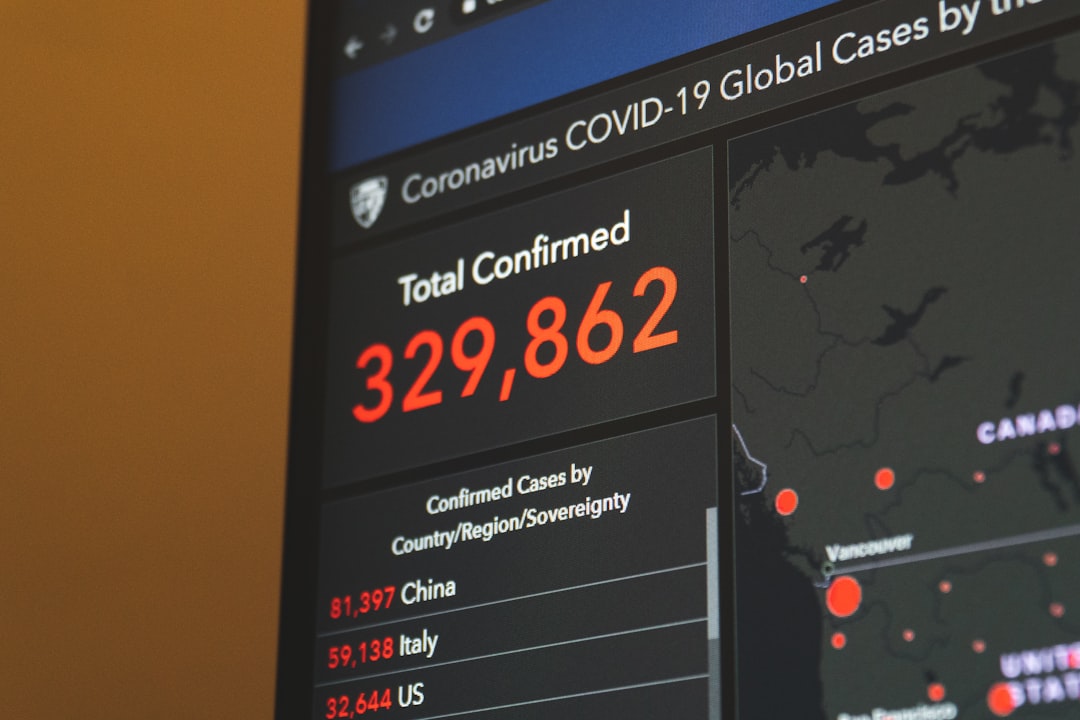
This lets MSBs fight fraud more effectively without slowing down legit customers.
4. Predicting Problems Before They Happen
AI doesn’t just react. It predicts. With the help of historical data, machine learning models can forecast future risks. This means MSBs don’t just respond to trouble—they get ahead of it.
How cool is that?
For instance, if a customer suddenly sends money to five new countries in one day, AI can flag this as unusual. Even if the individual transactions look harmless, the bigger picture reveals potential issues.
5. Chatbots That Handle Customer Questions
Ever asked for help on a payment app and got a fast, helpful reply? Chances are, that was an AI-powered chatbot working behind the scenes.
These bots can:
- Answer basic compliance questions
- Report a suspicious transaction
- Guide users through the KYC process
This takes pressure off human teams and gives users instant support, 24/7.
Why MSBs Love AI (And Regulators Do Too)
AI helps MSBs in more ways than one. It makes things quicker, safer, and cheaper. But perhaps most importantly, it helps them stay on the right side of the law.
Regulators now expect MSBs to use technology to spot crime. If your system misses something that AI could have caught, you could face massive fines—or worse.
Using AI is becoming the new standard, not just a shiny bonus.
Challenges on the Road Ahead
AI isn’t perfect. It needs clean data to work well. It can sometimes make biased decisions if trained on bad data. And it’s certainly not a replacement for human expertise.
Plus, AI needs to be transparent. MSBs must be able to explain how their AI tools work, especially when regulators come asking questions.
The Future: AI Everywhere
AI is already making a big impact, but we’re just scratching the surface. In the future:
- Smart risk engines will approve or deny transactions instantly.
- Virtual compliance officers will monitor systems 24/7.
- AI will spot global crime trends before they explode.
Think of it as a security dashboard that grows smarter with every transaction. The more it sees, the more it learns—and the safer your money becomes.
Conclusion: AI and MSBs—A Perfect Match
Artificial Intelligence is not just a buzzword. It’s a powerful tool that’s changing how money flows across borders. For MSBs, it’s a game-changer—a way to fight criminals, speed up service, and keep customers happy.
AI makes financial services smarter, faster, and safer. And as technology continues to evolve, the best is yet to come.
So next time you wire some cash or use that shiny wallet app, just remember—there’s a smart little AI working behind the scenes to keep it all running smoothly.