

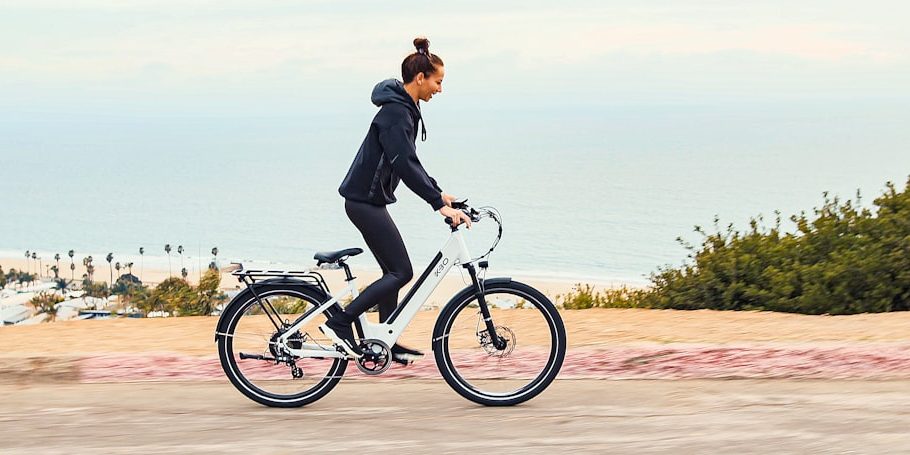
In recent years, more people in Ireland have chosen cycling as a primary mode of transport. Rising fuel prices, increasing awareness of environmental concerns and the need for a healthier lifestyle have all contributed to this significant shift. The Irish government's Cycle to Work Scheme has played a pivotal role in encouraging this transition by providing financial incentives for those commuting on two wheels.
TLDR: The Cycle to Work Scheme in Ireland offers tax savings and cost reductions when buying a bike for commuting purposes. It not only promotes a healthier lifestyle and environmental responsibility but also reduces transport expenses significantly. With infrastructure improvements and growing public awareness, cycling is becoming more feasible and attractive. Participating in the scheme is a sound financial and wellness-oriented decision for commuters.
What Is the Cycle to Work Scheme?
The Cycle to Work Scheme is an initiative introduced by the Irish government to encourage people to cycle to work instead of using motor vehicles. Under this scheme, an employer can purchase a new bicycle and accessory equipment for an employee up to a limit of €1,250 (or €1,500 for electric bikes and cargo bikes), and the employee repays the cost through salary sacrifice over a period of up to 12 months. The repayments are not liable to income tax, PRSI (Pay Related Social Insurance), or USC (Universal Social Charge), offering substantial savings.
Financial Benefits of Buying a Bike Through the Scheme
One of the most compelling reasons to buy a bike through the Cycle to Work Scheme is the financial advantage. By purchasing tax-free, individuals can save between 31% and 51% depending on their tax bracket. This can result in savings of hundreds of euros on premium bicycles and electric models.
Here's a breakdown of the typical benefits:
- Cost savings on bike and accessories – Substantial discounts due to tax relief.
- Flexible payment options – Monthly payroll deductions spread over a year.
- Broad range of purchases – Includes safety gear, helmets, locks, and lights.
This makes the purchase of a high-quality commuter or electric bike more affordable and accessible than ever before.
Health and Well-being
Aside from the monetary benefits, cycling regularly can significantly improve physical health. It's one of the most effective cardiovascular activities, enhancing heart health, muscle tone, and endurance. Moreover, cycling to work integrates regular exercise into a daily routine without requiring extra time from one's schedule.
According to the Health Service Executive (HSE), adults need at least 150 minutes of moderate-intensity aerobic activity each week. Cycling to work just 15–20 minutes each way easily fulfills this requirement.
- Improved cardiovascular health
- Weight management and calorie burning
- Stress reduction and mental clarity
- Reduced risk of lifestyle-related diseases
Combining your commute with exercise eliminates the need for gym memberships, reducing additional personal expenses.

Environmental Impact
The shift from cars to bikes has a profound impact on the environment. Transport emissions are a significant contributor to carbon emissions in Ireland. Cycling produces zero direct emissions, making it one of the cleanest forms of transportation.
By choosing to cycle to work, individuals contribute to:
- Reduced greenhouse gas emissions
- Lower air pollution in urban areas
- Improved noise pollution levels
- Less traffic congestion
With climate action high on national and global agendas, every bike commute is a positive step towards a more sustainable future.
Time Efficiency and Predictability
Many people assume that driving is the fastest way to travel to work. While this might be true for long-distance commutes, urban centers often tell a different story. With increasing traffic congestion, particularly during peak hours, cars can be more of a burden than a convenience.
Cycling offers more predictability in daily travel times, which reduces commute-related stress. Cyclists can usually maintain consistent arrival times, avoiding the unpredictable delays drivers often face.
Urban Cycling Infrastructure in Ireland
In recent years, Irish cities have taken significant steps to improve cycling infrastructure. Cities like Dublin, Cork, Galway, and Limerick have invested in segregated cycle lanes, bike parking facilities, and urban bike-share systems.
The Irish government’s National Cycling Policy Framework and recent updates to the Climate Action Plan indicate growing political will to make cycling a safer and more appealing option.

Improved infrastructure makes it easier and safer for commuters to opt for the bicycle over the car. This, coupled with public awareness campaigns, is creating a more bike-friendly culture in Ireland.
Who Can Avail of the Scheme?
The Cycle to Work Scheme in Ireland is available to all employees in both the public and private sector, as long as the employer chooses to participate. Self-employed individuals are also eligible through self-administered salary adjustments, although they may need tax advice to navigate the system.
Important criteria include:
- The scheme can be used once every four years.
- Only pedal bicycles, pedelecs, e-bikes, and related accessories are eligible.
- Bike must be used primarily for commuting to and from work.
Electric Bikes – A Growing Trend
Electric bikes (e-bikes) are becoming increasingly popular in Ireland due to their ability to flatten hills, reduce physical strain, and extend commute range. Under the Cycle to Work Scheme, the allowance has been increased to €1,500 to accommodate the higher cost of e-bikes.
For individuals living in rural areas or with longer commutes, the e-bike offers a practical alternative to driving. They also enable those who may not be able to cycle long distances or overcome physical limitations to participate in eco-friendly commuting.
With advancements in battery life and design, e-bikes are poised to play a major role in Ireland’s sustainable transport future.
Conclusion: A Smart, Holistic Investment
Purchasing a bicycle through the Cycle to Work Scheme is more than just a financial decision; it's a commitment to personal health, environmental sustainability, and a reduced reliance on fossil fuels. With government backing, improved infrastructure, and growing societal support, there's never been a better time to take advantage of this opportunity.
Choosing to cycle benefits not only the individual but also the broader community. Less congestion, cleaner air, and a healthier population are dividends that everyone shares. For those looking to make practical changes in how they live and move, the decision to buy a bike under this scheme is clearly a wise one.
So next time you’re caught in traffic or calculating the cost of fuel, consider what a daily cycle to work could do for your wallet, your body, and the world around you.