
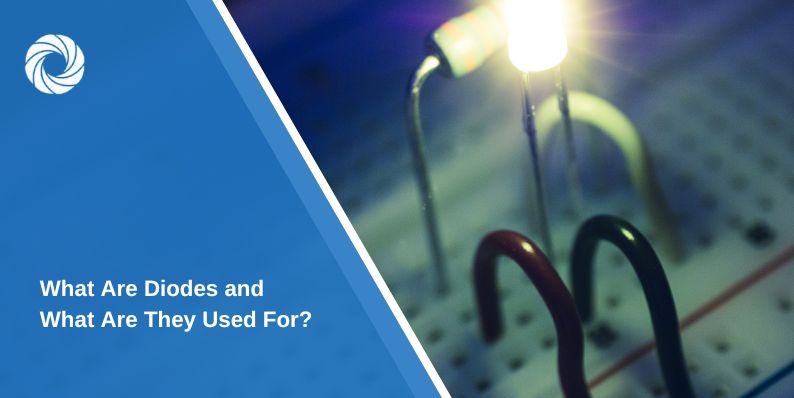
A diode is one of the most common parts you’ll find in any electronic device. From phone chargers to LED bulbs, this tiny component helps control how electricity moves through a circuit. Without diodes, most electronics wouldn’t work the way they do today.
Think of a diode like a one-way gate for electric current. It lets electricity flow in one direction and blocks it in the other. This simple rule helps protect circuits, convert power, and even produce light. Let’s understand what a diode is, how it works, and where it’s used in real life.
What Is a Diode?
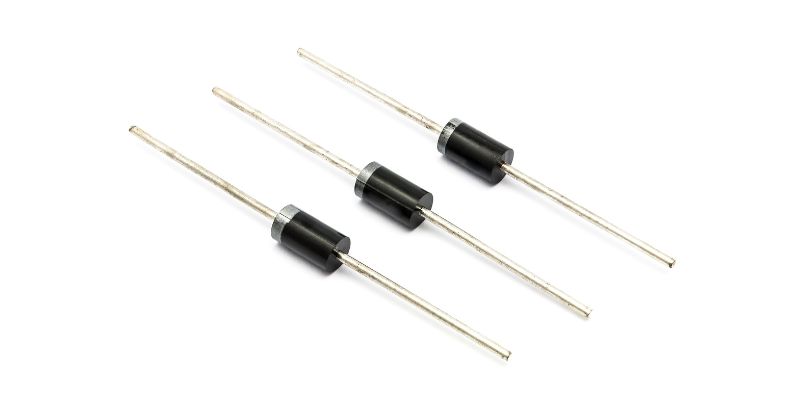
It’s built using a PN junction, where a p-type semiconductor (rich in positive charges) meets an n-type semiconductor (rich in electrons). When connected properly, the diode allows current to move through easily. When connected the other way, it blocks the flow.
In short:
- Forward direction = conducts electricity.
- Reverse direction = blocks electricity.
This ability makes it useful for controlling, protecting, and converting electric signals.
How a Diode Works
To understand how a diode works, imagine water flowing through a pipe with a one-way valve. When pushed in the correct direction, water flows freely. When pushed backward, the valve shuts tight.
That’s how a diode behaves in a circuit.
When voltage is applied across the diode:
- Forward bias: The anode connects to the positive side, and current flows through the diode.
- Reverse bias: The anode connects to the negative side, and current is blocked.
Inside the diode, electrons from the n-type material move toward the p-type material, allowing current to pass. In reverse bias, this movement stops completely.
This one-way feature protects sensitive parts like resistors, capacitors, and transistors from damage.
Main Types of Diodes
There are several types of diodes, each made for a specific job.
- Rectifier Diode: Used in power supplies to change AC into DC. When you plug a charger into the wall, a rectifier diode ensures the output is steady DC current suitable for devices.
- Zener Diode: This diode allows current to flow backward once the voltage passes a certain level. It’s used for voltage regulation, preventing components from being damaged by high voltage spikes.
- Light Emitting Diode (LED): An LED turns electricity into light. It’s energy-efficient and used in displays, bulbs, traffic lights, and gadgets. LEDs come in many colors based on the semiconductor material.
- Photodiode: A photodiode works the opposite way it converts light into electrical signals. It’s used in solar panels, light sensors, and cameras.
- Schottky Diode: Known for its fast switching speed and low voltage drop, it’s used in digital circuits and high-frequency applications where efficiency matters.
- Varactor Diode: This type is used in radio frequency (RF) and communication systems. It changes capacitance with voltage, helping tune frequencies in devices like radios or transmitters.
Each type of diode serves a different purpose but follows the same one-way current rule.
Common Uses of Diodes in Electronics
Diodes appear in almost every electronic product you use daily. Here are some key roles they play:
- In power supply circuits, rectifier diodes convert AC from wall outlets into DC for phones, laptops, and TVs.
- In protection circuits, Zener diodes stabilize voltage levels and prevent damage during electrical surges.
- In lighting systems, LEDs provide bright, efficient light while consuming less power.
- In signal systems, diodes demodulate radio signals and help transmit clear audio and data.
- In renewable energy devices, photodiodes in solar panels transform sunlight into electricity.
So whether it’s a small battery charger or a solar inverter, diodes are always part of the process.
How to Identify a Diode in a Circuit
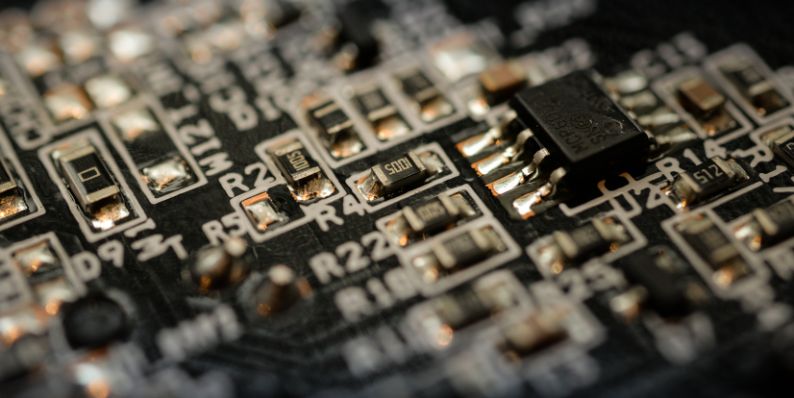
Finding a diode on a circuit board is simple. It resembles a small cylinder or chip, with one end marked by a line that serves as the cathode. The other end is the anode.
In LEDs, the longer leg is usually the anode, and the shorter leg (flat edge side) is the cathode.
You can also test a diode using a multimeter. Set the meter to diode mode, connect the probes, and check for a small voltage drop in one direction and none in the other. That confirms it’s working.
Difference Between Diode and Transistor
A diode controls the direction of current flow. It acts like a switch that allows or blocks electricity.
A transistor, on the other hand, amplifies or switches electrical signals. It can control large currents using small signals.
In most circuits, diodes and transistors work together. The diode handles current direction, and the transistor manages control and amplification.
Why Diodes Are Essential
Without diodes, electricity would move freely in both directions, damaging sensitive components.
They make modern electronics safe, efficient, and reliable. From power adapters to solar panels, LED displays, and radio receivers, diodes ensure everything functions correctly.
They’re small but vital, proving that even the simplest parts can have the biggest impact in technology.
Conclusion
A diode may look tiny, but it’s one of the most important parts of any circuit. It keeps electricity flowing correctly, protects components, and powers modern innovations like LED lighting and renewable energy systems.
The next time you plug in a charger or turn on a light, remember there’s a diode working quietly in the background making it all possible.
If you found this guide helpful, share it or leave a comment, it helps others learn how small components like diodes make big things work.