
As cryptocurrencies continue to evolve and gain mainstream adoption, the need for secure, scalable, and user-friendly crypto wallets has never been more critical. These wallets serve as the primary interface for users to interact with blockchain networks, store assets, and execute transactions. However, behind the sleek user interfaces lies a complex web of technical architecture. Understanding this architecture is essential for developers, businesses, and investors seeking to grasp how crypto wallets operate at a foundational level.
The Core Functions of a Crypto Wallet
Before delving into the architectural components, it is important to understand what a crypto wallet actually does. Contrary to the term “wallet,” which suggests storage, crypto wallets do not store cryptocurrencies themselves. What they manage are the public and private keys that grant access to a user’s holdings on the blockchain.
A crypto wallet enables:
- Secure key generation
- Storage and encryption of private keys
- Interaction with blockchain networks via signing transactions
- Real-time balance and transaction history syncing
- Integration with smart contracts and decentralized applications (dApps)

Types of Crypto Wallets
The architectural requirements vary depending on the type of wallet being developed. Broadly, crypto wallets fall under the following categories:
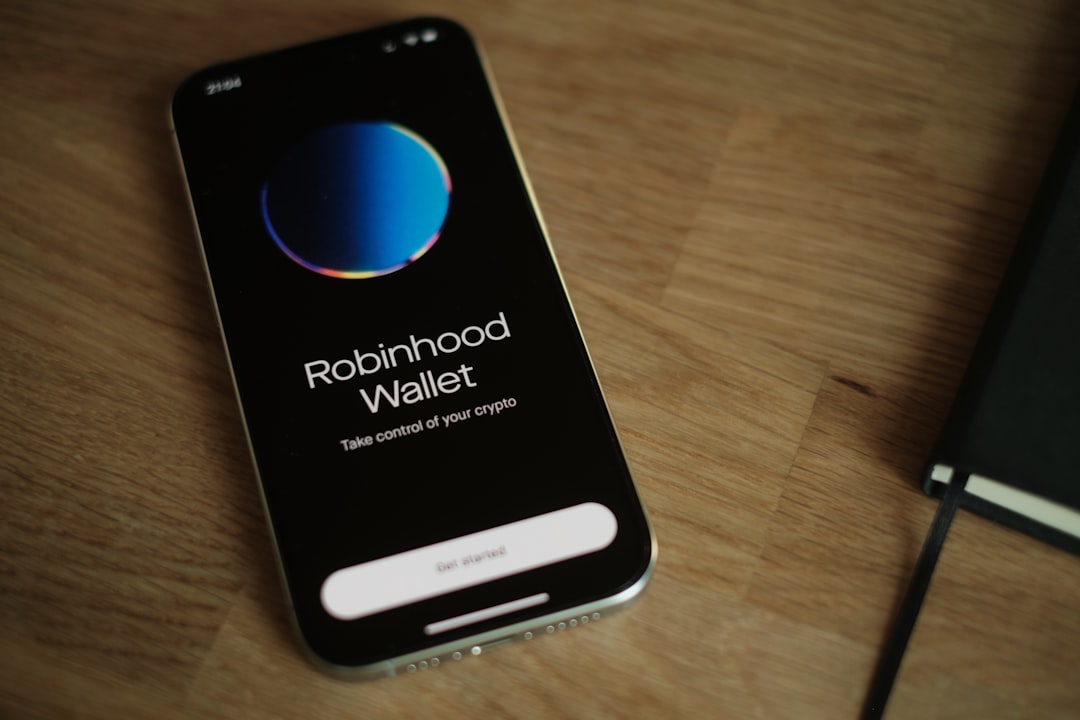
- Hot Wallets: Connected to the internet, enabling quick access and transactions. Examples: mobile apps, browser extensions, web wallets.
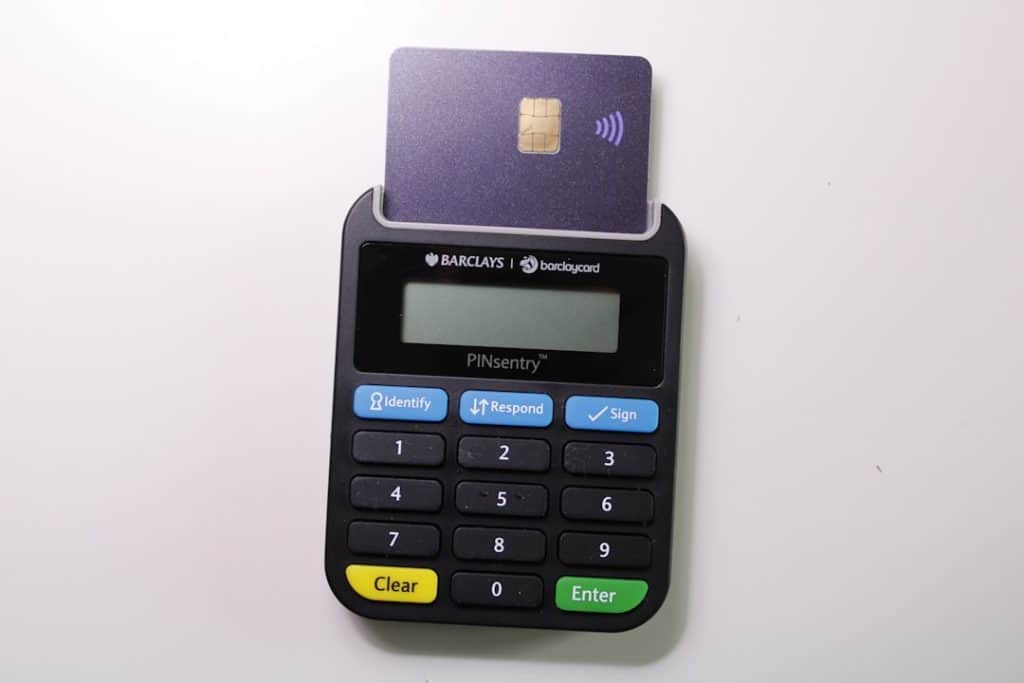
- Cold Wallets: Offline wallets that store private keys in hardware devices or even paper forms. They prioritize security over convenience.
Within these are sub-categories such as custodial vs. non-custodial wallets:
- Custodial: The service provider manages the user's private keys.
- Non-custodial: The user fully controls their private keys, offering better security but more responsibility.
Key Architectural Components
The architecture of a crypto wallet comprises several layers, each responsible for a critical function. Below is a breakdown of these components:
1. Key Management System (KMS)
This is the heart of any crypto wallet. Key generation, secure storage, and digital signature operations are all handled here.
- Key Generation: Wallets typically use cryptographic algorithms such as ECDSA (Elliptic Curve Digital Signature Algorithm) or EdDSA for generating private and public keys.
- Hierarchical Deterministic (HD) Wallets: Using BIP-32, BIP-39, and BIP-44 standards, these wallets can generate many addresses from a single seed phrase, simplifying backups and improving privacy.
- Secure Storage: In hot wallets, private keys are stored in encrypted forms, often using OS-provided secure tools like Android Keystore or Apple Secure Enclave. Cold wallets use air-gapped mechanisms or specialized hardware.
2. Blockchain Interaction Layer
This layer manages communication with blockchain nodes or third-party APIs. The wallet either runs its own full node or connects to a hosted node infrastructure like Infura or Alchemy.
- Node Integration: Fetch blockchain data, broadcast transactions, and listen to blockchain events.
- Smart Contract Interfaces: Wallets that support Ethereum or other programmable blockchains must encode and decode smart contract transactions with ABI (Application Binary Interface) specifications.
3. User Interface (UI) and User Experience (UX)
While this may seem like a front-end concern, UI/UX decisions directly impact the wallet’s security and usability. Poor design can lead to user errors, such as copying the wrong wallet address or mishandling seed phrases.
- Seed Phrase Handling: Secure onboarding processes that emphasize the importance of safely storing recovery phrases.
- Transaction Transparency: All transaction details should be clearly presented, helping users avoid phishing or man-in-the-middle attacks.

4. Security and Encryption Module
This module is responsible for encrypting and decrypting sensitive data such as private keys, PINs, and authentication tokens. It also detects anomalies in transaction signing and protects against threats like clipboard hijacking or keyloggers.
- Two-Factor Authentication (2FA): Adds another layer of security.
- Biometric Security: Smartphones now offer fingerprint or facial recognition for securing wallet access.
- Secure Key Storage: Use operating-system level secure enclaves (e.g., iOS’s Secure Enclave or Android’s Hardware-Backed Keystore).
Backend Infrastructure and Syncing
While non-custodial wallets aim to minimize backend reliance, several backend components are still necessary:
- Transaction Indexing Services: Faster querying of user transactions and balances.
- Caching and Storage: To serve repeating queries quickly and reduce load on blockchain nodes.
- Push Notification Systems: Alert users of wallet activity in real-time.
- Analytic Modules: Provides insights into usage patterns and helps improve the app iteratively.
Interoperability and Multi-Chain Support
Modern wallets are expected to be multi-chain by default. This brings added architectural complexity. Each blockchain may have different requirements, including:
- Distinct address formats
- Different signature schemes
- Unique transaction validation rules
To address these challenges, wallet developers may implement an abstraction layer that normalizes interactions across multiple blockchain SDKs and APIs.
Open Standards and Protocols
Standardization has played a vital role in crypto wallet development. Adopting well-supported standards ensures compatibility, security, and community trust. Some key standards include:
- BIP-32/39/44: HD wallet structure and mnemonic phrases
- ERC-20/ERC-721: Ethereum token interoperability
- WalletConnect: Protocol for connecting decentralized applications to mobile wallets
- SLIP-0044: Coin type registration for HD wallets
Testing and Security Audits
Given that crypto wallets handle real monetary value, security cannot be an afterthought. Comprehensive testing strategies are vital to the development lifecycle:
- Unit and Integration Testing: Especially for transaction construction and signing logic
- Penetration Testing: Identifies potential exploits in the front-end and back-end systems
- Threat Modeling: Simulates attack vectors to evaluate security responses
- Compliance Auditing: Depending on geography, wallets may need to follow regulations like GDPR, KYC, or AML
Challenges Developers Face
Wallet development brings inherent challenges:
- Balancing Security and Usability: Strong encryption techniques often compromise ease of use.
- Rapidly Evolving Blockchains: New upgrades and forks can disrupt compatibility.
- Cross-Platform Consistency: Ensuring a consistent experience across iOS, Android, and web interfaces.
- User Education: Users often lack a deep understanding of how wallets work, putting their funds at risk.
The Road Ahead
The future of crypto wallet development is poised to become even more sophisticated. With the rise of layer-2 solutions, account abstraction, and zero-knowledge proofs, wallets will need to integrate more complex functionalities without compromising user trust or security. Innovations like social recovery, integration with identity frameworks, and decentralized key management are already being explored to enhance the next generation of wallets.
Ultimately, building a crypto wallet is not just a software development project—it is a convergence of cryptography, systems architecture, user-centered design, and rigorous security protocol implementation. As the cryptoeconomy expands, understanding its technical foundations becomes not just useful, but essential.