
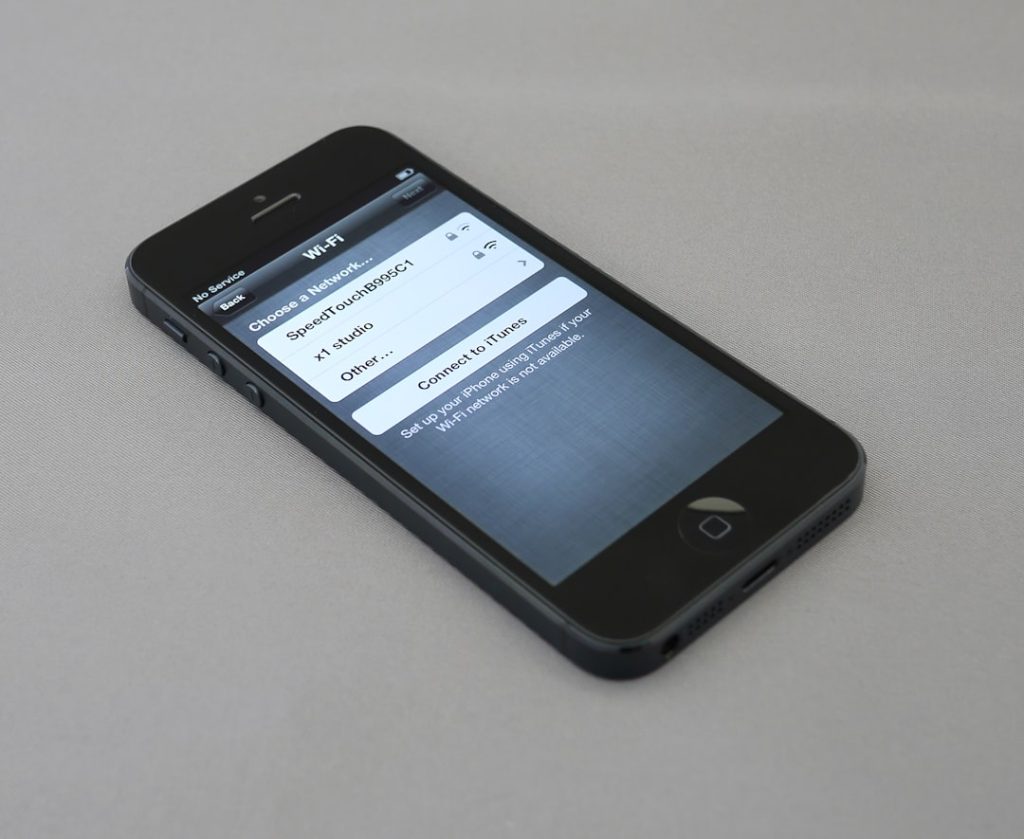
Long-exposure photography has long been admired for its artistic capabilities—streaming light trails, silky waterfalls, and scenes filled with subtle motion blur. While traditionally associated with DSLRs and tripods, long-exposure photography is now achievable using nothing more than an iPhone. Thanks to Apple's smart imaging technology and Live Photos, users can capture stunning long-exposure shots with ease.
This article explores how to take long-exposure photos on an iPhone, both using native features and third-party apps. Whether you're a beginner or a mobile photography enthusiast, this guide will help you unlock new creative possibilities with your iPhone camera.
Understanding Long-Exposure Photography
Before jumping into the “how,” it's important to understand what long-exposure photography is. In simple terms, it involves keeping the camera's shutter open for an extended time to capture more motion and light. This technique is often used to:
- Blur moving water to create a smooth effect
- Capture light trails from vehicles at night
- Show cloud movement across the sky
- Create ghosting effects with moving people
In traditional cameras, this is achieved by manually adjusting the shutter speed. iPhones, however, use computational photography to simulate the same effects—typically using the Live Photos feature.
Using Live Photos for Long-Exposure on iPhone
One of the most accessible ways to capture long-exposure images on an iPhone is by using the built-in Live Photos function. Apple made this incredible feature available starting from the iPhone 6s and perfected it in recent models like the iPhone 13, 14, and beyond.
Step-by-Step Guide:
- Enable Live Photos: Open the Camera app. Tap the circular icon at the top of the screen (which looks like a target) to enable Live Photos. It will turn yellow when activated.
- Take the Photo: Hold your iPhone steady and take a photo of a moving subject like a waterfall, skyline, or traffic. The Live Photo will automatically capture 1.5 seconds before and after the shutter click.
- Open the Photo: Go to the Photos app and find your recent Live Photo.
- Swipe Up to Reveal Effects: Swipe up on the image and choose the “Long Exposure” effect. The iPhone will process the image and blend the motion to simulate a long-exposure shot.

With this method, even beginners can achieve a silky water or light-streak effect without additional gadgets or software. However, stability is key—if you don’t have a tripod, rest your iPhone on a stable surface for the best results.
Using Third-Party Apps for True Long Exposure
While Live Photos simulate long exposure well, it does have limitations in manual control. For more advanced users, third-party apps can provide greater flexibility and actual manual shutter speed control. Here are some top apps that offer excellent results:
- Slow Shutter Cam: This app is a favorite among mobile photographers. It offers features such as motion blur, light trail, and low-light modes. You can customize shutter speed and ISO, giving you more control over your shot.
- ProCamera: This full-featured camera app includes long-exposure controls plus a comprehensive suite of manual controls, including focus, white balance, and exposure compensation.
- Halide: Known for its precision controls and clean interface, Halide is especially useful for users who want manual shutter speed adjustments without overwhelming complexity.
How to Use Slow Shutter Cam:
- Download and open the Slow Shutter Cam app.
- Choose from shooting modes like Motion Blur, Light Trail, or Low Light.
- Adjust the Shutter Speed and Light Sensitivity sliders according to your ambient lighting and motion type.
- Hold the iPhone steady or use a tripod.
- Tap the shutter button. Let the app capture over the set duration and process the image.

Though some of these apps require a small purchase, the results often rival DSLR-quality long exposures, making them a worthwhile investment.
Essential Tips for Better Long-Exposure iPhone Photos
Whether using Live Photos or a third-party app, here are some tips that can significantly improve your long-exposure shots:
- Use a Tripod: Motion blur from hand shake can ruin a long-exposure photo. A mobile tripod or even a well-placed object can help stabilize your device.
- Shoot in Low Light: Long exposure works best in low to moderate lighting where you can capture light movement without overexposing the image.
- Avoid Overexposure: In bright environments, reduce ISO or use an ND Filter (yes, there are clip-on filters for smartphones!).
- Plan the Motion: Long exposure is most effective when there’s continuous motion in one part of the frame. This could be water, clouds, cars, or even pedestrians.
Creative Uses for Long-Exposure Photography on iPhone
Once you’re confident with the technique, you can explore creative options:
- Light Painting: Use a flashlight or sparkler in a dark setting to create light trails against a black background.
- Traffic Light Streams: Head to a busy overpass or junction at night to capture glowing trails of car headlights and taillights.
- Ghosting Effects: Set your phone to capture with a delay, allowing moving people to become translucent or disappear in the final image.


Long-exposure photography not only offers beautiful results but also opens the door to new kinds of artistic experimentation, even with something as familiar as a smartphone.
Conclusion
Taking long-exposure photos on an iPhone is more accessible than ever. Whether tapping into the power of Live Photos or diving into the manual controls of third-party apps, iPhone users have multiple paths to create compelling long-exposure imagery. Add a tripod, plan out your scenes, and soon you’ll be capturing photos that blur the line between smartphone and professional photography.
Frequently Asked Questions (FAQ)
-
Q: Can I take long-exposure shots on all iPhones?
A: Most iPhones from the iPhone 6s and newer can use Live Photos for long-exposure effects. For full manual control, third-party apps may require later models with better camera hardware. -
Q: Do I need a tripod for long-exposure photography on iPhone?
A: While not always necessary, a tripod can significantly improve the quality and stability of your long-exposure shots. -
Q: What is the maximum exposure duration an iPhone can handle through apps?
A: Apps like Slow Shutter Cam allow exposures up to 30 seconds or more, depending on your settings and phone model. -
Q: Can I do long exposure in bright daylight?
A: Yes, but you’ll need to use a Neutral Density (ND) filter to prevent overexposure and help maintain proper highlights. -
Q: Are long-exposure photos large in file size?
A: Live Photos take up more storage than standard images. Third-party apps may also produce large files depending on image quality settings.