

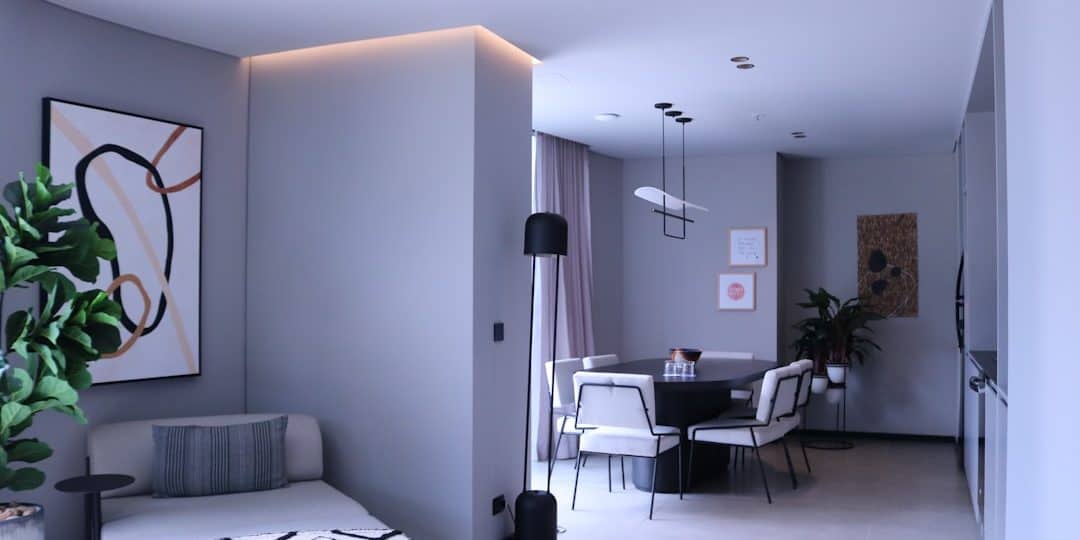
In recent years, the intersection of artificial intelligence and creative fields has given rise to groundbreaking innovations. One such revolution is occurring in the world of interior design, thanks to platforms like RoomStyle AI. Traditionally reliant on mood boards, fabric swatches, and handwritten sketches, interior design is now being rapidly transformed through intelligent automation and AI-driven tools. RoomStyle AI is at the heart of this change, making design more accessible, efficient, and uniquely personalized for everyday users and professionals alike.
RoomStyle AI uses the power of machine learning and computer vision to help users reimagine any space in a matter of minutes. Whether you're a homeowner looking to revamp your living room or a designer juggling multiple client projects, this tool acts as a digital stylist, suggesting layouts, furniture, color schemes, and more based on your preferences.
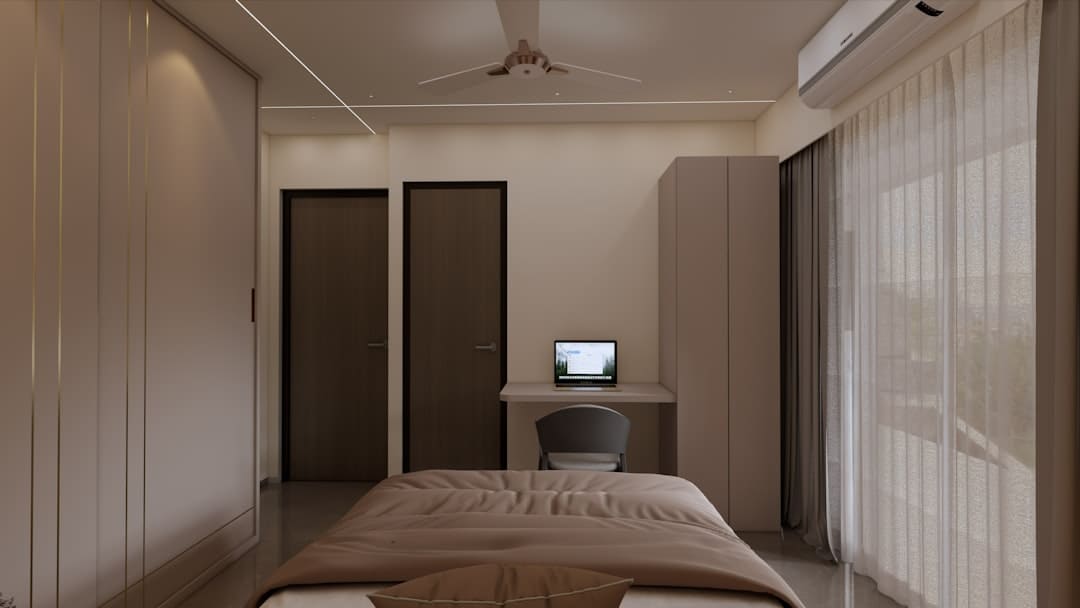
The Power of Customization
One of the most game-changing aspects of RoomStyle AI is its incredible ability to learn and adapt to user preferences. The platform generates design recommendations based on:
- User input like room type, design style, and desired color palette
- Uploaded photos of the current room, which the AI analyzes to create realistic mock-ups
- Modern design trends compiled from thousands of interior images and layouts
This dynamic fusion of data enables the AI to create designs that are not only trendy but also deeply personal. The result is a seamless blend of inspiration and practicality that would take human designers hours, if not days, to compile manually.
Simplifying the Design Process
For non-professional users, RoomStyle AI eliminates much of the guesswork involved in design. People often find it daunting to choose the right color, style, or furniture, worrying about how different elements will look together. This tool breaks down those barriers by offering instant visualizations. Through a user-friendly interface, individuals can:
- Generate multiple style options with a single click
- Use drag-and-drop tools to experiment with layouts
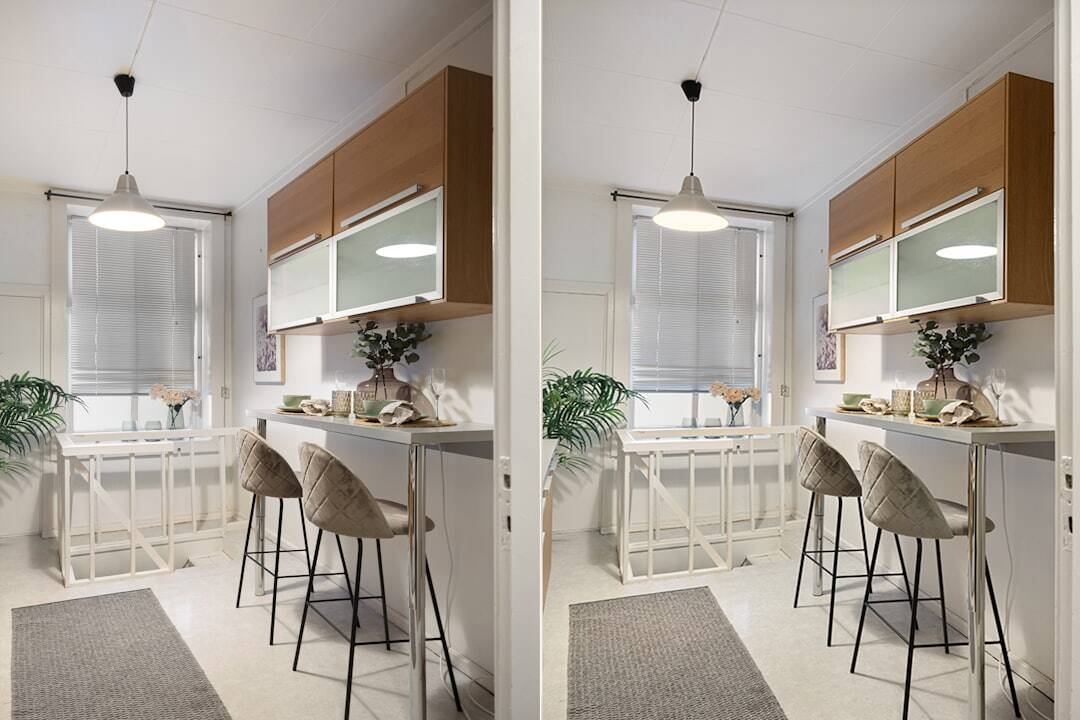
- Compare before-and-after designs with high visual fidelity
Instead of paying large fees for consultation and going back and forth with mood boards, users can see immediate results that show exactly how their room will look with proposed changes. This instant feedback loop greatly enhances decision-making and confidence in the final design.
Empowering Designers with AI
For professionals, RoomStyle AI isn't just a toy—it’s a high-powered tool that multiplies productivity. Designers can offload repetitive tasks like space planning and initial concept mockups to the AI, allowing them to focus on more creative and client-focused activities. It also opens possibilities for serving more clients in less time, while maintaining a high level of customization and precision.
Some of the ways designers use RoomStyle AI include:
- Creating rapid prototypes and mood boards
- Exploring a wide range of styles with minimal effort
- Collaborating with clients using cloud-based sharing options
This shift doesn't replace the designer—it empowers them to do more with less, making it easier to meet unique client needs while reducing project timelines.
Eco-Friendly and Cost-Effective
Another dimension to RoomStyle AI’s appeal is its contribution to sustainability and cost-effectiveness. By visualizing layouts and furniture placement early, users can make smarter purchasing decisions—avoiding unnecessary buys and reducing waste. It also helps prevent costly errors by showing a realistic preview of how items will fit into a space, both in terms of style and scale.
Looking Ahead
Artificial intelligence is still in its early stages in the design world, but platforms like RoomStyle AI offer a glimpse into the future. As these tools become more sophisticated and integrate with smart home technology, we can expect even more personalized, responsive environments that adapt to our lifestyles in real-time.
In summary, RoomStyle AI exemplifies how AI is not just automating tasks but enhancing creativity and user agency in interior design. It’s not about replacing human designers—it’s about giving them superpowers.
Whether you're experimenting with your first remodel or managing a portfolio of interior projects, this tool makes interior design more intuitive, inclusive, and inspiring than ever before.