

In the rapidly evolving landscape of consumer technology, one of the most defining shifts in recent years has been the advancement in audio and video definition. As of 2025, the standard for audiovisual quality has reached unprecedented levels, significantly enhancing the way individuals consume media. From cinematic movie experiences in the comfort of one’s home to hyper-realistic virtual meetings, the quality of what we see and hear shapes our understanding, emotional engagement, and overall satisfaction with digital content.
This article delves into how audio and video definition impacts your viewing and listening experience in 2025, discussing both the technological underpinnings and their practical implications on everyday life.
The Evolution of Video Quality
Video quality has made significant strides over the past decade. What was once a luxury—4K or Ultra HD—is now commonplace, and 8K is rapidly becoming the new benchmark for premium visual experiences. Beyond just more pixels, enhanced video quality in 2025 incorporates smarter frame rates, dynamic range improvements, and better color calibration.
- Higher Resolution: Modern displays now offer resolutions of 8K or even 16K in some niche markets, which allows for incredible detail and clarity, especially on large screens.
- High Dynamic Range (HDR): HDR10+, Dolby Vision, and similar standards improve contrast and color realism, making the viewing experience more immersive and lifelike.
- AI-Powered Upscaling: Smart algorithms can now upscale lower resolution content to near-4K or 8K quality, bridging the gap for older media libraries.
The practical effect of these enhancements is staggering. Watching a nature documentary or a cinematic blockbuster feels akin to looking through a window to another world. Animation and graphics are more engaging, educational content becomes more interactive, and overall, the fidelity of visual media drastically improves focus and comprehension.

The Rise of Immersive Audio
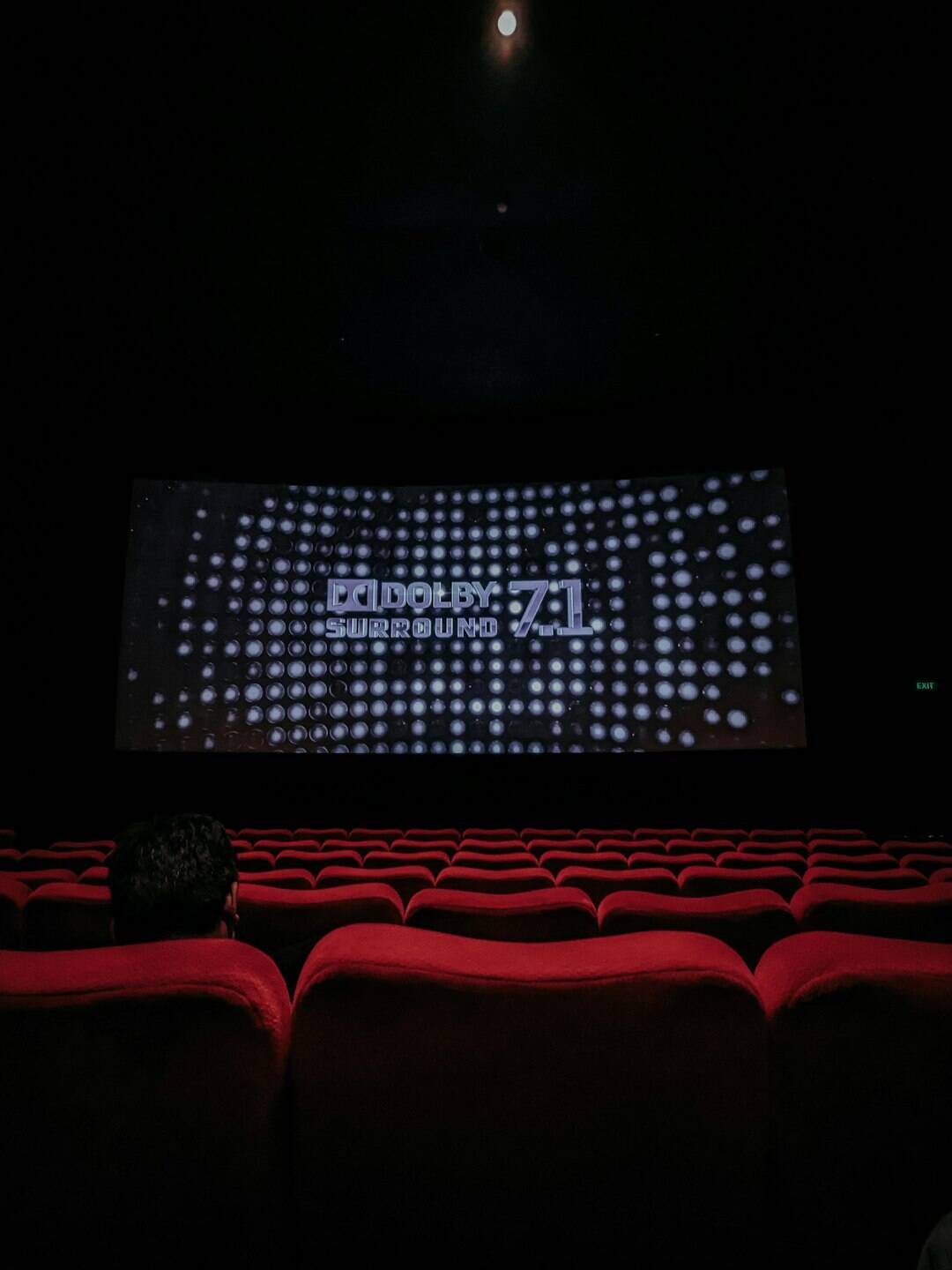
Audio definition has quietly evolved alongside video, but its impact is equally transformative. In 2025, technologies like Dolby Atmos, DTS:X, and Sony’s 360 Reality Audio have made three-dimensional, spatial sound mainstream. The emphasis is no longer on just “hearing” the audio but experiencing it in a spatial context.
- Spatial Audio: Instead of traditional stereo or 5.1 surround, spatial audio immerses the listener in a full 360-degree sound environment, ideal for gaming, VR, and movies.
- Lossless Streaming: Music platforms now offer high-definition and lossless audio options, ensuring that what you hear is exactly as the artist intended.
- Adaptive Sound Optimization: AI-driven audio systems adapt to room acoustics and listener location, delivering a tailored experience that remains consistent regardless of environment.
With these technologies, action movies explode with powerful bass and nuanced treble, while even casual listening to podcasts or YouTube is elevated. It enhances not just entertainment but also productivity, especially in remote work setups where clarity of voice becomes crucial.


Impact on Streaming and Gaming
Streaming services like Netflix, Disney+, and Spotify are aggressively adapting to these advanced definitions. They now standardize higher-quality formats, reducing buffering and latency through better compression algorithms.
On the gaming front, platforms like PlayStation 6 and Xbox Series Z fully support 8K graphics and 3D audio, offering gameplay that borders on realism. Frame rates over 120 fps, paired with real-time ray tracing, allow for a seamless and dynamic gaming experience that responds in real time.
- High Bitrate Streaming: Faster internet standards like 5G and Wi-Fi 6E support high bitrate content, enabling smoother playback of high-definition media.
- Cloud Gaming Compatibility: Advanced rendering and spatial audio are now available on cloud gaming platforms, reducing dependency on local hardware.
- Cross-Platform Syncing: Improved AV uniformity across devices ensures users maintain the same high-quality experience from phones to TVs to VR headsets.
This fusion of high-quality audio and video significantly impacts how content creators develop and publish their work. There's a greater emphasis on mastering audiovisual elements, making high definition not just an option but a necessity.
Accessibility and Inclusivity
Improved AV quality also brings benefits in terms of accessibility. Higher resolution video enhances subtitle readability and sign language clarity, while richer audio makes it easier for individuals with hearing impairments to distinguish sounds using hearing aids equipped with smart processing chips.
Real-time audio transcription, spatial location of dialogue in video conferencing, and visual cues for audio events (like flashing lights for doorbells) are all features made more effective with enhanced definition.
Challenges and Considerations
Despite the advantages, there are challenges to consider with accessing ultra-high-quality audio and video in 2025:
- Bandwidth Requirements: Streaming 8K video or lossless audio can consume significant data, which may challenge users with limited internet speeds or data caps.
- Hardware Compatibility: Not all devices support the latest AV standards, necessitating regular upgrades of TVs, soundbars, and headphones.
- Digital Fatigue: Higher definition can sometimes add to cognitive load if not paired with ergonomic design and content pacing—especially relevant in e-learning and remote work.


Conclusion
In 2025, the convergence of ultra-high-definition video and immersive audio technologies is revolutionizing the digital experience. Whether for entertainment, education, communication, or creativity, the leap in AV definition adds depth, realism, and emotional impact to what we see and hear. As technology continues to evolve, the viewing and listening experience will increasingly aim to replicate or even surpass real-life fidelity, forever changing the way we interact with digital content.
Frequently Asked Questions (FAQ)
- Q: What is the difference between 4K, 8K, and 16K?
A: These terms refer to the resolution of the video. 4K has approximately 4,000 horizontal pixels, 8K has 8,000, and 16K has 16,000. Higher resolution means more detail and clarity, especially on larger screens. - Q: Do I need special equipment to enjoy spatial audio?
A: While dedicated home theater systems and advanced headphones offer the best spatial audio, many smartphones and laptops in 2025 are now equipped with software-based spatial rendering capabilities. - Q: How does audio definition affect daily activities like video conferencing?
A: Enhanced audio captures voice nuance and reduces background noise, resulting in clearer, fatigue-free communication during long meetings. - Q: Is all streaming content now available in high definition?
A: Most major platforms offer content in high-definition formats like 4K or 8K, but availability may vary based on region and the user’s internet speed. - Q: Are high-definition video and audio formats beneficial for people with disabilities?
A: Absolutely. Enhanced clarity, adaptive settings, and detailed subtitling make content more accessible for individuals with visual or auditory impairments.