
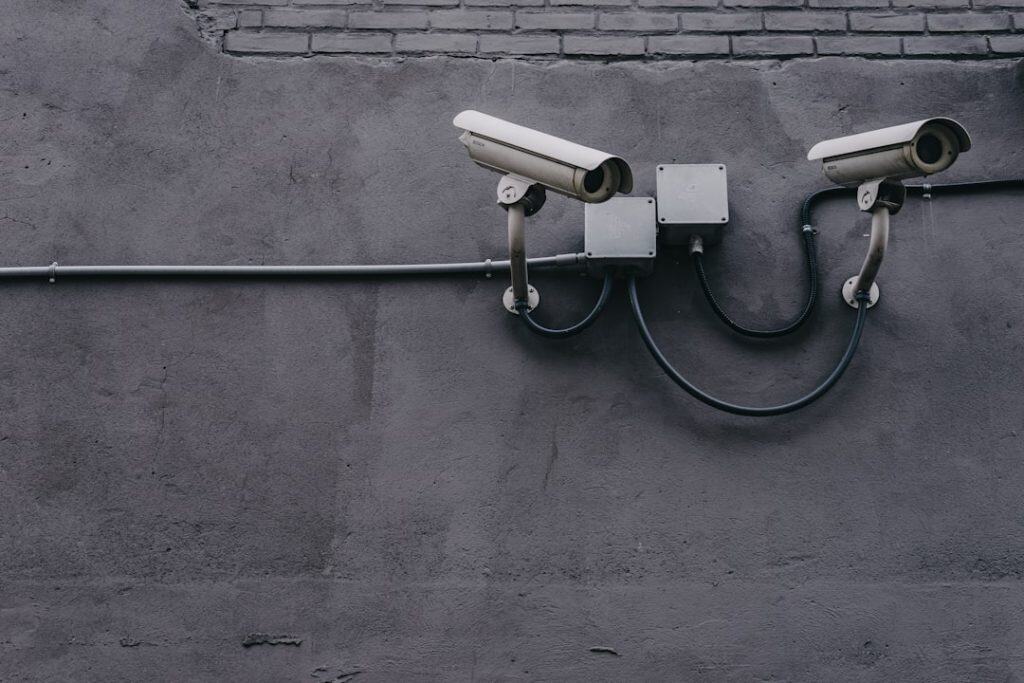
In an age where surveillance technology is increasingly accessible, homeowners and businesses alike are turning to security cameras as an essential tool for crime prevention and peace of mind. However, as these devices become more common, so do concerns about the *privacy rights* of others—particularly when cameras overlook *neighboring properties* or *public streets*. This leads to critical questions about where the boundaries lie when it comes to camera usage and how one can respect privacy without compromising on security.
This article explores the concept of camera privacy zones, focusing particularly on their implications for *neighbors and streets*. Understanding and respecting these boundaries not only promotes good relations within your community but also helps you stay legally compliant.
The Importance of Camera Privacy Zones
Camera privacy zones are designated areas within a surveillance camera’s field of view that are intentionally blocked out or blurred in order to protect the privacy of individuals or neighboring properties. These zones serve a twofold purpose:
- Legal Compliance: In many regions, laws prohibit the recording of private areas such as bedrooms, bathrooms, or portions of a neighbor’s house or backyard where there is an expectation of privacy.
- Ethical Considerations: Even if not explicitly illegal, recording neighbors or public pedestrians without consent can raise ethical issues and disturb community trust.
With the help of modern software, establishing privacy zones on your surveillance system is both *technologically feasible* and *responsible*. Failing to implement such zones could expose you to legal action or community disputes.
Monitoring the Street: What’s Legally Permissible?
Many homeowners place cameras to monitor their front yards and driveways. Naturally, this results in recording the adjacent street or sidewalk. While this might seem harmless, regulations can vary by jurisdiction.
What you usually can do:
- Record your own property, including boundaries, driveways, and entry points.
- Capture public spaces such as streets or sidewalks, particularly if there is a legitimate security interest.
What you usually cannot do:
- Zoom in or record audio from conversations not intended to be publicly broadcast.
- Point a camera directly into neighbors' private spaces such as windows, pools, or backyards.
In many cases, courts weigh reasonable expectation of privacy when determining whether surveillance violates someone's rights. Public streets generally do not afford such expectations, but private fenced yards do. This is why many cameras offer the ability to block out specific parts of the field of view with privacy masking.

Understanding Your Neighbors' Privacy
Neighbor disputes over cameras are becoming increasingly common. From subtle pointing over the fence to accusations of spying, these conflicts can escalate quickly if not handled sensitively. Perhaps more importantly, in some cases, such disagreements make their way into courtrooms.
Here are a few *best practices* to ensure you respect your neighbors’ privacy:
- Limit Camera Placement: Place cameras so they clearly focus on your property, such as entry doors or your driveway. Avoid angling them toward the neighbor’s yard or windows.
- Use Privacy Zones: Use software features to black out or pixelate parts of the feed that include neighboring properties.
- Notify Your Neighbors: Open communication goes a long way. Letting them know where your cameras are aimed and offering to share footage if needed can promote goodwill.
In various jurisdictions, courts have ruled against homeowners who set up cameras deemed to invade nearby residents' private spaces. Even if no criminal intent exists, the court may view continuous surveilling of a neighbor’s yard as a form of harassment. Being proactive with privacy zones is a strong defense against such disputes.
When Camera Zones Cross Legal Boundaries
If you are concerned your camera setup might be overstepping, it’s important to evaluate both the orientation and zoom capabilities of the device.
Things to consider for legality:
- Does your camera face inside someone else’s home or yard?
- Are you storing or sharing footage that includes other private properties or individuals?
- Does your system capture conversations without consent, even from public spaces?
Laws vary significantly across countries and even states. In the United States, for instance, audio recording is often governed by wiretap laws, which protect private communications. Some states require all-party consent to legally record audio, even in your own yard if it risks capturing voices from the street or next door.

Creating and Implementing Privacy Zones
Most modern security cameras—especially smart home models—include settings to allow for privacy zones. These are visual areas in the camera’s field where detection or recording is disabled.
Steps for setting up privacy zones:
- Log into your camera app or software interface.
- Select the camera feed in question and locate the “Privacy Masking” or “Privacy Zones” feature.
- Use the adjustment tools to draw or select boxes over areas you wish to obscure.
- Test the camera after making settings to ensure those sections are no longer visible or recorded.
Many systems will even notify you if a privacy zone is breached, or will allow separate notifications for masked vs. unmasked areas. Additionally, some cameras store separate logs or metadata that affirm which areas were being actively recorded at any given time.
For business or landlords, implementing these configurations is not just a matter of ethics—it may be a legal obligation under data protection laws like the GDPR in Europe or similar policies in other nations.
Community Surveillance and Public Opinion
As neighborhood surveillance networks grow, often under initiatives like “neighborhood watch” programs, shared camera footage is becoming the norm. Even police departments are increasingly integrating private camera feeds into their monitoring strategies.
However, public opinion remains split. Studies have shown that while many support increased security, others feel uneasy about being watched, especially when footage is managed by private citizens. Building a community consensus is crucial.
Tips for community surveillance:
- Ensure cameras cover public spaces only unless permission is granted.
- Clearly post signs stating that surveillance is in operation.
- Engage your homeowner’s association or community board in decisions related to security monitoring.
Conclusion
Security today is no longer about fences and locks alone; modern threats require equally modern solutions. Yet, in enhancing our ability to protect what is ours, we must be careful not to infringe on what belongs to others. Camera privacy zones are an essential tool to ensure that home surveillance remains fair, legal, and respectful.
By taking the time to configure zones properly, communicating with your neighbors, and staying informed about local laws, you can enjoy the benefits of home surveillance without sacrificing the principle of personal privacy—a balance that is more important now than ever before.