

Beekeeping is a delicate marriage between nature and human ingenuity. It calls for deep respect for the ecosystem and a commitment to understanding the complex social lives of bees. At the center of every healthy hive is the queen bee—a single insect that commands the fate of tens of thousands. To tend to this small kingdom effectively, every beekeeper must be equipped not only with knowledge but also with the right supplies to foster safety, productivity, and sustainability in the apiary.
TL;DR
Beekeeping success hinges on two critical elements: the right supplies and the well-being of the queen bee. The queen is essential for the hive’s reproduction and order, and beekeepers must use specialized tools to maintain her health and monitor productivity. Essential gear like protective clothing, smokers, hive tools, and queen excluders protect both the bees and the keeper. Proper care and attention to the queen and supplies form the cornerstone of a productive, harmonious hive.
The Queen Bee: The Central Figure of Every Hive
The queen bee is the reproductive engine of the hive. She is its only fertile female and can lay up to 2,000 eggs per day during peak season. Her pheromones govern the mood, organization, and activity level of the entire colony. She inhibits the development of other queens and helps maintain hive unity, serving not simply as a leader, but as the critical biological glue holding the colony together.
Without a functioning queen, a hive will gradually collapse. Worker bees may attempt to raise a new queen, but the success of such endeavors is highly dependent on timing, genetic variation, and available resources. This is why beekeepers must closely monitor the health and productivity of their queens and be prepared to replace or requeen when necessary.


Essential Beekeeping Supplies
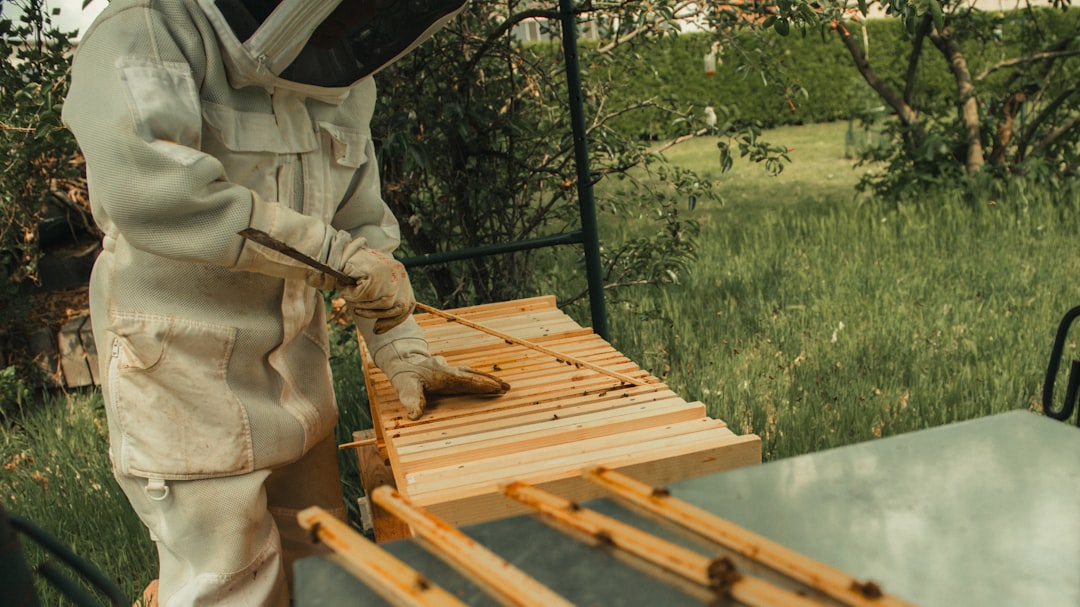
Keeping bees requires specialized tools and protective gear to ensure both human safety and hive stability. Below are the critical supplies every beekeeper should have:
1. Protective Clothing
- Bee suit or jacket: Protects the body from stings. Choose a ventilated suit for summer months.
- Veil: Shields the face and neck, the most common areas for stings.
- Gloves: Provide hand protection, though experienced beekeepers sometimes prefer working barehanded for precision.
2. Smokers
A smoker is a vital tool that calms bees during inspections. The smoke masks alarm pheromones, reducing defensive behavior and making hive management safer and more efficient. Use clean, non-toxic materials such as pine needles or untreated burlap to produce cool smoke.
3. Hive Tool
This flat metal instrument is used to separate and lift frames, scrape off propolis, and pry apart hive boxes. It is one of the most indispensable tools for any beekeeper.
4. Hive Components
- Bottom board: The base of the hive, often equipped with a screen for ventilation and mite monitoring.
- Brood boxes (deeps): Contain the queen, larvae, and worker activity.
- Honey supers: Shallower boxes added during nectar flows for honey collection.
- Frames and foundation: Where bees draw wax combs to raise brood and store resources.
5. Queen Excluder
A queen excluder is a perforated barrier placed between the brood box and honey supers. It allows worker bees to pass through while preventing the larger queen from entering honey-storage areas. This aids in producing clean, brood-free honey for harvest.
6. Feeders and Supplements
Beekeepers often use feeders to supply sugar syrup or pollen substitutes during periods of dearth. Supplements ensure that bees maintain proper nutrition especially when natural forage availability is low.

Protecting and Managing the Queen
Observing the queen’s behavior and productivity is a critical part of hive maintenance. Signs of a healthy queen include consistent laying patterns, a well-formed brood pattern, and a calm, orderly hive. In contrast, scattered brood, multiple queen cells, or aggressive worker behavior may indicate a problem.
When signs of queen failure are evident, beekeepers may implement strategies such as:
- Requeening: Introducing a new, mated queen to revitalize a declining colony. This must be done carefully to avoid rejection.
- Splitting hives: Encouraging a portion of the colony to rear a new queen while managing population growth.
- Marking and clipping: Marking the queen with a color code indicating her year of birth, or clipping her wings to prevent swarm flight.
Advanced Tools for Monitoring the Hive
Technology is enhancing traditional beekeeping. Digital scales, hive sensors, and infrared imaging are now being used to non-invasively monitor hive weight, temperature, humidity, and queen activity. While not necessary for the hobbyist, commercial operations often rely on these tools for large-scale colony health assessment.
Why Caring for the Queen is Environmental Stewardship
The role of the queen bee goes beyond the hive. Healthy hives contribute to pollination, which affects global food supplies and ecosystems. By carefully managing queens and maintaining strong colonies, beekeepers indirectly support agriculture and biodiversity. Thus, investing in the right equipment and training isn’t just about productivity—it’s an act of ecological responsibility.
Common Challenges in Queen Management
Even with the best equipment and intentions, challenges arise. Some of the most frequent obstacles include:
- Queenlessness: The accidental loss of a queen during an inspection or swarm season.
- Supersedure: When the colony decides to replace an aging or failing queen.
- Rejection of an introduced queen: Colonies may kill a newly introduced queen if not accepted properly, often due to incompatible pheromones or improper introduction technique.
To mitigate these risks, beekeepers need to plan interventions carefully, use tools like queen cages for gradual introduction, and observe the hive's behavior closely during transitions.
Final Thoughts
Beekeeping is more than harvesting honey—it's a disciplined practice that connects humans to the intricate workings of nature. The queen bee, though often unseen, is central to the hive's organization, productivity, and longevity. By investing in quality tools and understanding queen dynamics, beekeepers not only increase their chances of success but also contribute meaningfully to environmental preservation.
Whether you're a beginner taking your first steps into apiary management or a seasoned apiarist refining your approach, never underestimate the synergistic power of proper supplies and queen care. Together, they form the heartbeat of every thriving hive.